The invitation never arrived, of course. No gilded blockchain token granting access to the crypto ball where fortunes, mushroom trips, and the secrets of pyramid power converged. Somewhere between a pop of champagne and a PowerPoint about decentralized infrastructure, Trump made a cameo, announcing a new wave of funding destined to rewire the future. As I watched the live stream (because who doesn’t?), I couldn’t help but think: Why wasn’t I there?
The real question, though, isn’t about missing the party. It’s about who’s sitting at the table, building tomorrow’s world, and whether they’re handing out keys to the rest of us—or locking the doors.
The Pyramid Scheme of Progress
Silicon Valley libertarianism often feels like a cocktail of visionary idealism, blind faith in technology, and just enough psychedelics to keep things weird. It’s a mindset that imagines AI systems, blockchain ledgers, and decentralized governance as the panacea for every human problem—if only we’re smart enough to unleash them without screwing it up.
Take blockchain, for instance. It’s hailed as the ultimate transparency tool: decentralized, immutable, and trustless. Yet it’s not magic. Blockchain can amplify transparency or secrecy, equity or exploitation, depending on whose hands are on the code. It’s a tool, not a talisman, and understanding it is crucial if we’re going to prevent the tech elite from becoming the new feudal lords.
Governance vs. Government
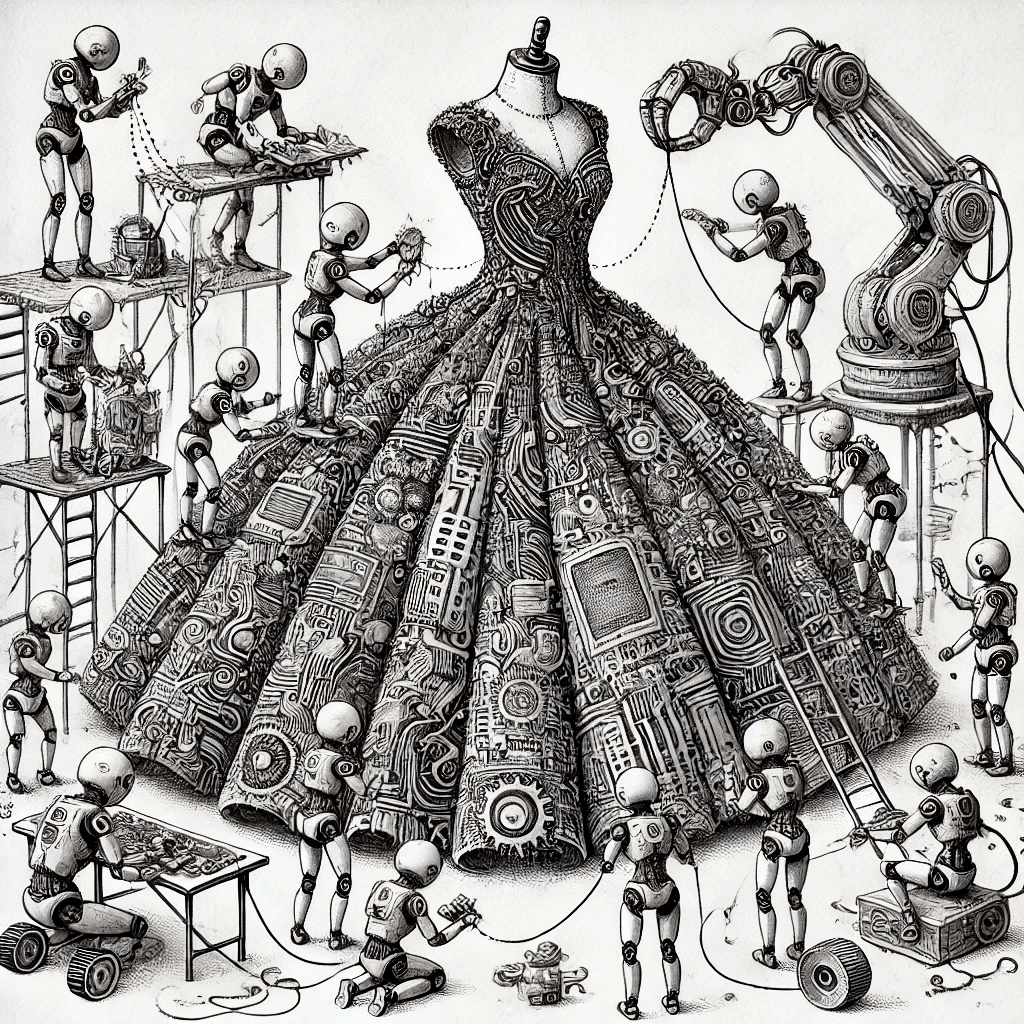
Much of this hinges on governance. I use the term deliberately, as this is the linguistic shift I detect happening in Silicon Valley. People working with artificial intelligence and blockchain are more inclined to think about governance instead of government. Governance speaks to systems and structures—the frameworks that underlie relationships between people, entities, and ideas. It suggests a focus on mechanisms rather than power struggles, making it a critical concept for those shaping the future.
Ethical vs. Responsible AI: A Semantic Tug-of-War
This brings us to AI and the philosophical tug-of-war between “ethical” and “responsible” AI. Ethical AI nods to centuries of moral philosophy—think Aristotle’s virtues or Kant’s categorical imperative. It’s a framework that acknowledges the complexity of human values and aims to navigate them thoughtfully.
“Responsible AI,” on the other hand, feels like a corporate invention: vague, toothless, and designed to minimize liability more than anything else. It’s the difference between asking, “What is the right thing to do?” and “What can we get away with?” The industry’s preference for responsibility over ethics speaks volumes about its priorities—and its blind spots.
The Table We Can’t Afford to Miss
So why does all this matter? Because decisions about AI and blockchain aren’t just technical—they’re cultural. They shape the power dynamics of our future. If we’re not at the table now, advocating for inclusive governance and meaningful ethical frameworks, we risk a world where those in charge care more about their hero’s journey than the lives they disrupt.
The crypto ball, mushrooms, and pyramids may sound like a joke, but they’re not a metaphor. This is the mindset of people who hold significant cultural capital—people who genuinely believe that with a heroic dose of mushrooms, artificial intelligence, and the power of the pyramids, they can build roads and other infrastructure. They’ve idealized a narrow understanding of esoteric spiritualism, and their hands are on the levers of the future.
It’s also worth noting that anyone who attended the crypto ball was in line for a big cash handout. I’d love some of that funding to develop my own project, MARTI, my framework for ethical AI. It’s not about matching their visionary leaps—it’s about building something grounded, inclusive, and resilient.
The invitation might not have arrived, but the stakes couldn’t be clearer. The table is set, and it’s time to make sure everyone has a seat.

 Carrie Bickner
Leave a comment